Compare Top Local Operators
100% Free

Planning a trip to Equatorial Guinea?

Share your travel plans and get free itineraries and quotes from multiple trusted local operators.

Itineraries tailored to your travel plans Compare quotes from multiple local operators Connect directly with trusted local operators
Get Free Quotes

10k+ travelers have submitted inquiries

Equatorial Guinea - Travel Guide

4.1

Must-see attractions, popular activities, and featured local operators

Central Africa

Equatorial Guinea, a hidden gem in Central Africa, offers travelers a unique blend of lush landscapes, rich culture, and vibrant history. The capital, Malabo, is renowned for its colonial architecture and the striking Pico Basilé, a dormant volcano that provides stunning views. Adventure seekers can explore the pristine beaches of Bioko Island or trek through the dense rainforests of the mainland, home to diverse wildlife and the biodiverse Monte Alén National Park. Culturally, the country showcases a mix of Spanish, African, and indigenous influences, evident in its traditional music, dances, and delicious cuisine featuring dishes like "sopa de pescado." With its welcoming locals and off-the-beaten-path allure, Equatorial Guinea promises an unforgettable travel experience.
Attractions

Language

Equatorial Guinea is a unique linguistic landscape in Africa, where Spanish is the official language, reflecting its colonial history. Alongside Spanish, French and Portuguese are also recognized as official languages, catering to the diverse population. The native language, Fang, is widely spoken among the indigenous communities, while Bubi is prominent on Bioko Island. English is increasingly being taught and accepted, especially in urban areas and tourism sectors, but it remains less common in everyday conversation.

Best Time to Visit

The best time to visit Equatorial Guinea is during the dry season, which typically runs from December to February. During these months, the weather is more pleasant, with lower humidity and less rainfall, making it ideal for exploring the country's stunning landscapes and vibrant wildlife. Additionally, this period coincides with various cultural festivals, offering visitors a chance to experience the rich local traditions and hospitality. While the rest of the year may bring heavier rains, the lush scenery can still be captivating, but for outdoor activities and sightseeing, planning your trip in the dry season is highly recommended.

Month
Weather Overview
January
This month marks the peak of the dry season, with average temperatures ranging from 23°C to 28°C (73°F to 82°F). Humidity levels are relatively low, making it a pleasant time for outdoor activities. Precipitation is minimal, allowing for clear skies and sunny days.
February
Temperatures remain warm, averaging between 23°C and 29°C (73°F to 84°F). It continues to be dry, with low humidity and little rainfall, making it ideal for exploring the country's natural beauty.
March
As the dry season winds down, temperatures slightly increase, averaging 24°C to 30°C (75°F to 86°F). Humidity begins to rise, but rainfall remains low, offering a comfortable climate for travel.
April
The onset of the wet season begins, with temperatures ranging from 24°C to 30°C (75°F to 86°F). Humidity levels increase, and rainfall starts to pick up, particularly towards the end of the month.
May
This month experiences higher precipitation, with average temperatures between 24°C and 29°C (75°F to 84°F). Humidity is quite high, creating a tropical atmosphere. Expect frequent rain showers, especially in the afternoons.
June
Rainfall peaks in June, with temperatures ranging from 23°C to 28°C (73°F to 82°F). Humidity remains high, making it feel warmer than it is. Travelers should be prepared for heavy downpours.
July
The wet season continues, with average temperatures around 22°C to 27°C (72°F to 81°F). Humidity remains high, and rainfall can be significant, leading to lush landscapes but challenging travel conditions.
August
Similar to July, August is characterized by high humidity and frequent rainfall, with temperatures ranging from 22°C to 27°C (72°F to 81°F). Travelers may want to plan indoor activities or explore when the rain subsides.
September
Rainfall begins to taper off, but humidity stays elevated. Temperatures range from 22°C to 27°C (72°F to 81°F), making it a transitional month where the wet season is gradually winding down.
October
October sees a further reduction in rain, with temperatures hovering between 23°C and 28°C (73°F to 82°F). Humidity levels remain high, but the weather becomes more favorable for exploration.
November
The transition to the dry season begins, with temperatures ranging from 23°C to 28°C (73°F to 82°F). Rainfall decreases significantly, and humidity starts to drop, making it a pleasant time for travel.
December
December features warm temperatures between 23°C and 28°C (73°F to 82°F) and marks the start of the dry season. Humidity levels drop, and rainfall is minimal, creating ideal conditions for enjoying Equatorial Guinea's stunning landscapes.

Festivals

Month:10
Festival:National Independence Day

This national holiday commemorates Equatorial Guinea's independence from Spain in 1968. The day is marked by parades, music, dancing, and patriotic displays. Travelers can experience vibrant celebrations in the capital, Malabo, with cultural performances and community gatherings.

Month:11
Festival:Feast of Our Lady of Santa Isabel

A religious festival dedicated to the patron saint of Equatorial Guinea, Virgen de Santa Isabel. The festival features church services, processions, and traditional music. Visitors can participate in the solemn and festive atmosphere, especially in the city of Bata, where local customs and rituals are on full display.

Month:2
Festival:Malabo Carnival

A vibrant and colorful festival held just before Lent, featuring street parades, masquerades, music, and dancing. Participants and visitors alike can enjoy the lively spirit of the carnival, with local costumes, traditional drumming, and a festive atmosphere that fills the streets of Malabo.

Month:8
Festival:Diambula Festival

A cultural festival celebrating the indigenous Fang people's traditions and heritage. It includes traditional dances, music, and rituals, providing a rich cultural experience for visitors. The festival is typically held in rural areas, offering a unique opportunity to immerse in local customs and life.

Cuisine

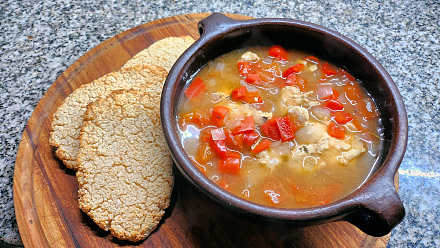
Pepper Soup

Pepper Soup

Made with fish, typically tilapia, and a blend of local spices like garlic, pepper, and onions. The fish is simmered with vegetables to create a flavorful, aromatic broth.

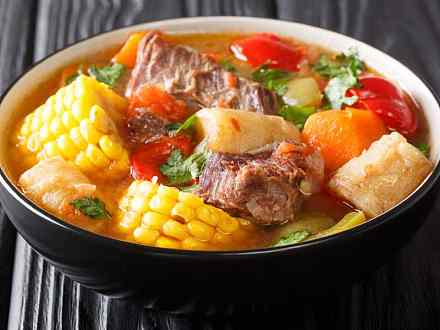
Sancocho

Sancocho

A rich stew made with a variety of meats (chicken, pork, or beef), root vegetables like yam and sweet potato, and a mix of spices. It is simmered for several hours to enhance the flavors.

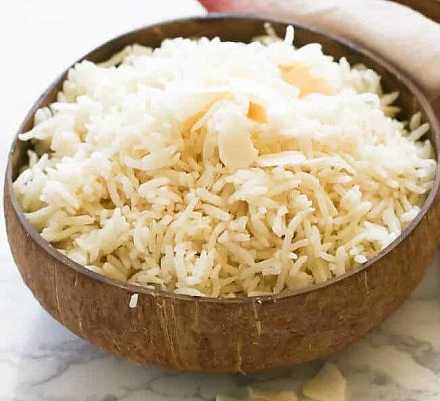
Coconut Rice

Coconut Rice

Rice cooked with coconut milk and spices, giving it a creamy texture and a subtle sweetness. This dish is often served as a side with seafood or meat dishes.

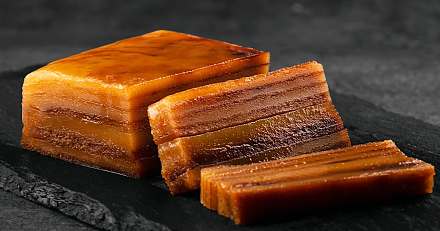
Bebinca

Bebinca

A traditional dessert made with coconut milk, sugar, and flour, this rich, sweet pudding is baked in layers to a smooth consistency.

Malamba

Malamba

A sweet snack made from ground peanuts and sugar, shaped into small balls or bars. It's commonly enjoyed as an afternoon treat.

Malamba Juice

Malamba Juice

Made from fermented sugar cane juice or palm wine, this drink has a sweet, slightly sour flavor and is often consumed in social settings.

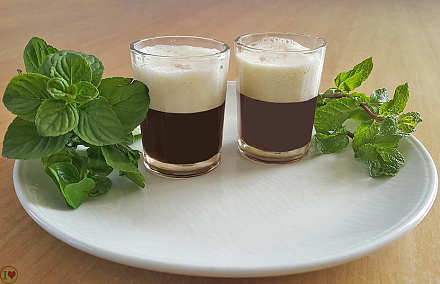
Ataya

Ataya

A traditional drink made from green tea leaves, sugar, and sometimes mint. It's prepared in a unique way by brewing the tea several times and served in small cups. It's a popular drink in both everyday life and social gatherings.

Packing

When packing for a trip to Equatorial Guinea, prioritize lightweight, breathable clothing suitable for warm, humid weather. Opt for loose-fitting cotton or linen garments to stay comfortable during the day. Don't forget a wide-brimmed hat and sunglasses for sun protection. Sturdy sandals or walking shoes are essential for exploring both urban areas and nature. Include a light rain jacket, especially if traveling during the rainy season. Insect repellent is crucial to ward off mosquitoes, and a basic first-aid kit can be handy. Lastly, remember to pack sunscreen and a reusable water bottle to stay hydrated while enjoying the stunning landscapes and vibrant culture.

Currency

Equatorial Guinea uses the Central African CFA franc (XAF) as its official currency. The currency is available in denominations of 1, 5, 10, 25, 50, 100, 500, 1,000, 2,000, 5,000, and 10,000 francs. ATMs are accessible in major cities like Malabo and Bata, but they may not always accept foreign cards, so it's advisable to carry cash. Credit cards, particularly Visa and Mastercard, are accepted in larger hotels and some restaurants, but smaller establishments and remote areas may only accept cash, so travelers should plan accordingly.

Transport

The major gateway for foreign visitors is Malabo International Airport, located on Bioko Island, while Bata Airport serves the mainland. Within the country, options include taxis, which are widely available but may lack meters, so it's advisable to negotiate fares upfront. Buses are an economical choice for intercity travel, though schedules can be irregular. For a more comfortable option, consider hiring a car with a driver, especially in rural areas where road conditions can vary. It's best to plan your routes in advance and allow for extra travel time, as infrastructure improvements are ongoing but may still affect travel efficiency.

Emergency

Public displays of affection, particularly between couples, can be frowned upon, so it's best to keep interactions discreet. Additionally, dress modestly, especially in rural areas, as revealing clothing may attract negative attention. When dining, it's polite to wait for the host to start the meal before digging in. In case of emergencies, the primary contact number for police assistance is 112, while medical emergencies can be reached at 060.

Power Sockets

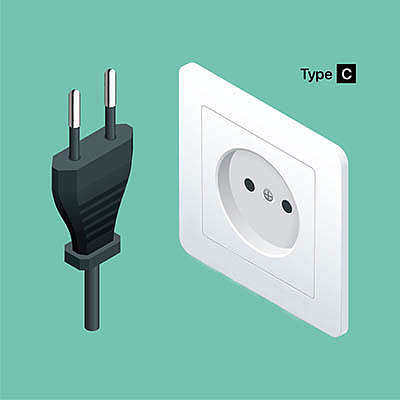
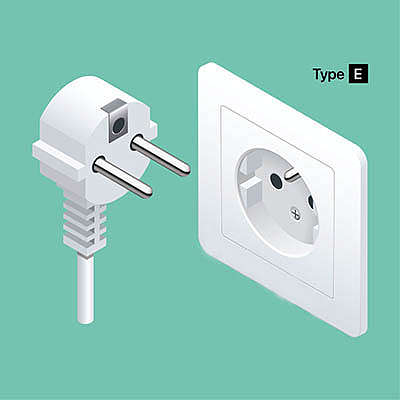
Equatorial Guinea operates on a standard voltage of 220V and a frequency of 50Hz. The power sockets used are of type C and E, which feature two round pins.

Socket sample 1Socket sample 2

Tours

View all tours

No featured routes yet

Route recommendations for this destination are coming soon.

Tour operators

View all operators